October 24, 2026 By admin
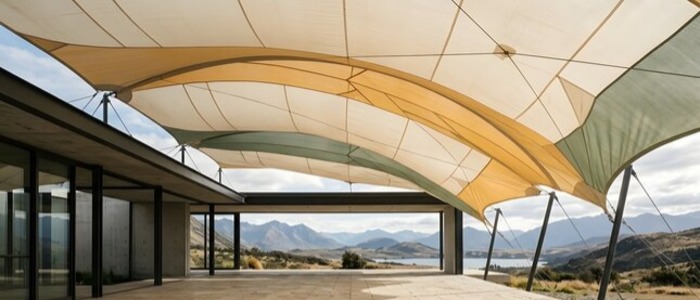
Covering outdoor spaces is essential to provide shelter from sun, rain, and the weather. For many outdoor spaces, a fabric roof is a great choice. It can serve as open spaces for parking lots, pedestrian walkways, seating areas, and more. Proper planning, good material, and skilled labor are all needed in the installation process.
Fabric roof inspection is the first step to installing a fabric roof. The team considers the use type, the space available, the condition of the ground, and the size of the area. Sunlight and rainwater intake direction, as well as wind, should be examined.
This enables team planning of the proper roof size and shape. Well done; planning also helps to prevent issues when your cars are installed.
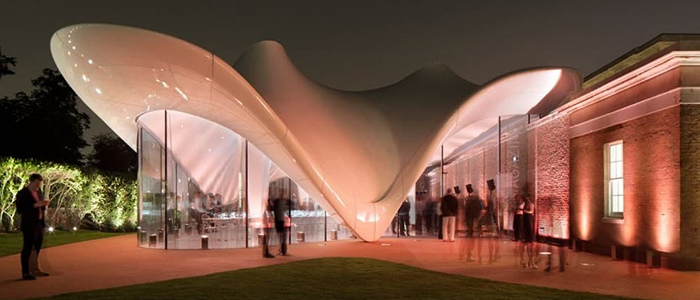
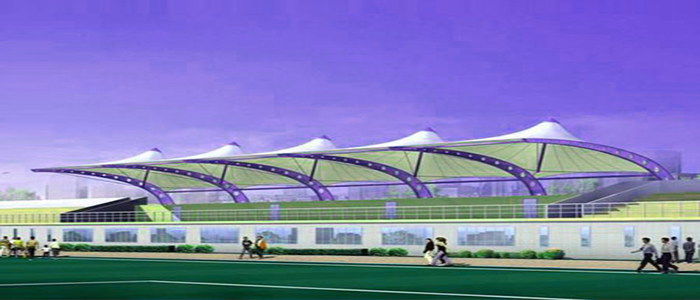
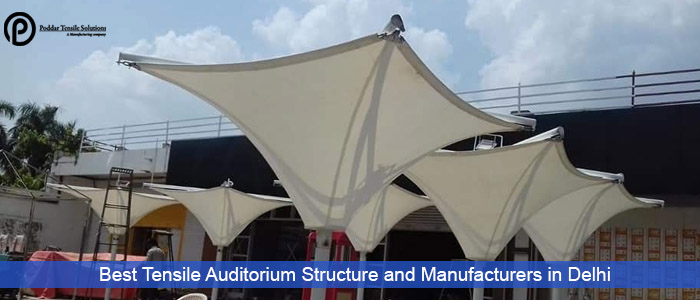
Following the site check, the design of the roof can be determined. The design will vary according to the use and space for the structure. This tensile fabric structure can be customized to provide different shapes to cover large or small outdoor areas.
The design also incorporates the location of steel columns, support points, and fabric panels. The structure should be sufficiently stable with regard to the usual conditions of the weather.
The support structure is prepared by the student. The student prepares the support structure. The next step is to set up the support structure. The steel column and other support elements are installed as per design. Yes, the bottom of each column has to be secured appropriately to the earth.
If the fabric roof is to be supported, this is essential given that steel work is essential to the structure of the fabric roof. The correct alignment of the columns also gives proper fit to the fabric.
When the structure is assembled, the fabric is stretched onto the structure and secured to the structure. To Stretch: The cloth must be stretched properly to be firm and provide adequate coverage.
During this stage the fixing points are carefully checked. A properly adjusted tension will keep the roof properly formed and minimize loose spaces in the fabric.
A complete check is made of the installed structure. On-site workers verify steel structure supports, fabric, fixing points on steel structure, and shape. Also, they evaluate if there is any rainwater that would flow inwards around the roof surface.
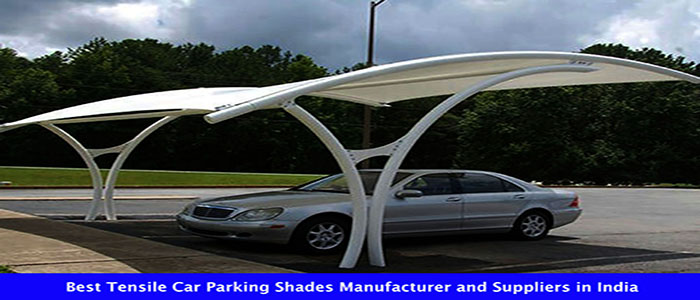
The material should not obstruct the passage of people and form a nice and convenient surface for the Tensile Walkway Structure. In the case of a tensile car parking structure, the roofing should be adequate for the parking coverage.
Even though a fabric roof requires slightly more care after it is put in place, this maintenance is relatively simple. The fabric should be periodically inspected for cleanliness, separation of fastenings, or repairs. The rust or other problems of the steel support should also be checked.
Running surveys can help to ensure that the structure is safe and functional for as long as possible.
For fabric roof installation there are five tasks: Site check, design, support preparation, fixing, and final inspection. If executed with care, a fabric roof could be a beneficial roofing solution for numerous outdoor areas. Good performance and long-term use can also be ensured by implementing suitable materials and experienced installation workers.