March 05, 2026 By admin
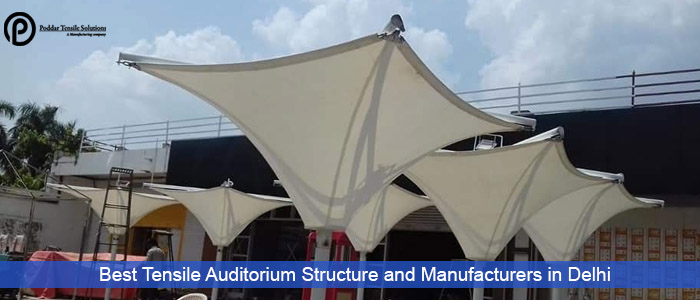
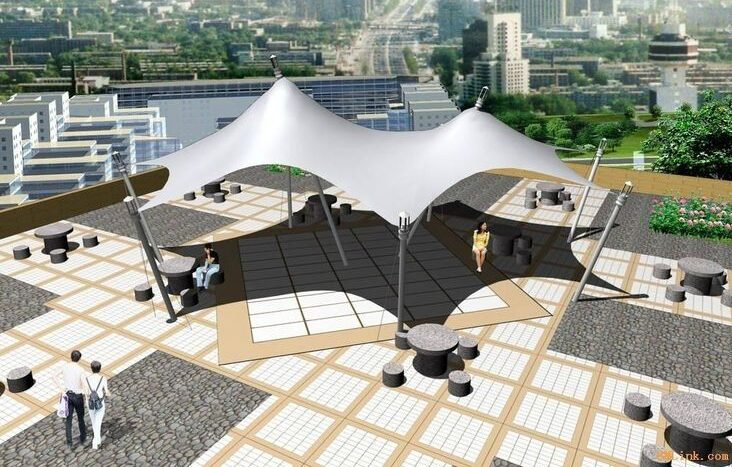
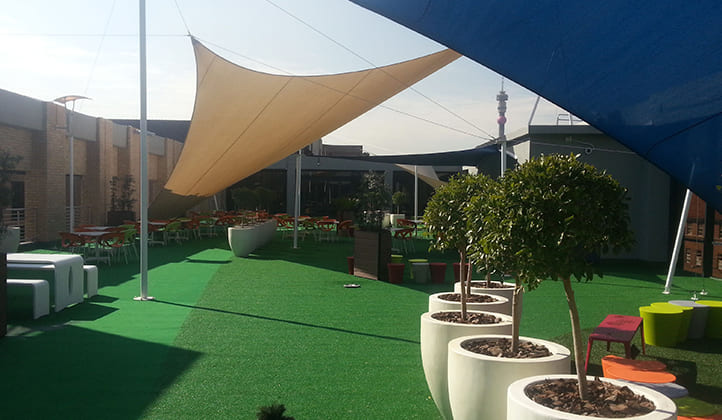
Indian architecture is something that is transforming radically. The search is on to create a new design hero: tensile membrane structures, as cities become increasingly dense and there is an increase in the demand for sustainable, economical, and aesthetically appealing infrastructure. These are not some tent cities but are elaborate works of engineering genius that transform our very concept of space, shape, and structure. It is tensile architecture, which is drawing the direction towards a more vibrant and robust built environment through futuristic metro stations, airport canopies, classy commercial complexes, and plazas. We will discuss the reason why this technology is ideally set to determine the future of modern architecture in India.
The climate of India is quite diverse (scorching sun, heavy rains, and dampness) and requires smart construction solutions. Tensile fabric structures perform well in this regard. The quality membranes (such as PVCPES, PTFE-coated fiberglass, or ETFE) are designed to be:
Long dead are the days of the massive and rigid building. The tensile structures give architects and designers a flowing “canvas” to develop. It is possible to produce iconic structures because of the capability to produce sweeping curves, dramatic peaks, and organic forms. Consider a tensile walking building that is in the form of a flowing ribbon or a stadium roof that is in the form of a flower in bloom. It is an aesthetic multiplicity that assists in building a distinct contemporary image of brands, cities, and institutions.
In an economic environment that is growing fast, time is money. The tensile systems become prefabricated:
In line with both global and national sustainability, tensile architecture is environmentally friendly by its nature:
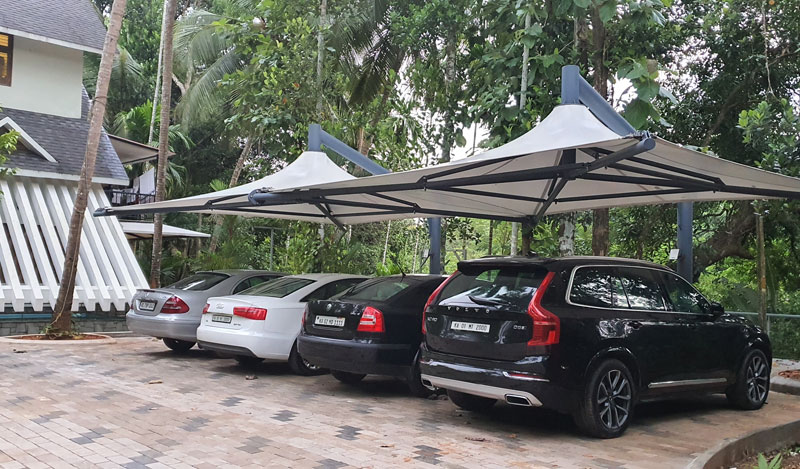
The tensile technology has the potential to be implemented in many ways. It is aggressively contributing to the transformation of different aspects of Indian infrastructure:
When utilizing the capability of this technology to its full potential, it is of great importance to collaborate with a skilled specialist. Such companies as Poddar Tensile Solution introduce the necessary experience to the table. Having a thorough understanding of engineering accuracy, material science, and local climatic issues, they can make each venture a canopy that is delicate or a roof that is as big as a span, not only beautiful but also a safe and stable construction that was not only perfectly implemented but also perfectly executed. They have a significant impact on the spread of credible tensile membrane structures in India.
Once more, the conclusion is that of a flexible, sustainable, and beautiful future. Indian architecture is delicate, mobile, and communicative. Tensile membrane structures are leading the wave with a total of practical solutions to the climate and economic limitations, and opening the door to the endless possibilities of design creativity. These structures will certainly be in the center stage of creating smarter, more sustainable, and more inspired buildings in India, even as the country itself constructs its 21st-century identity.